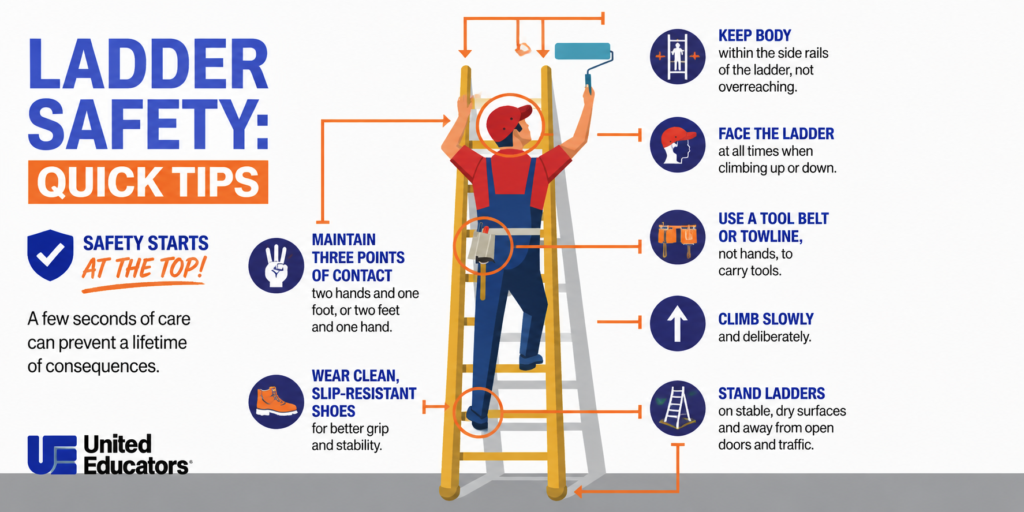
Ladders are one of the most commonly used tools on construction sites, but they’re also one of the leading sources of workplace injuries when used improperly. Whether you’re climbing onto a roof, accessing materials, or completing routine maintenance, following proper ladder safety practices can help prevent accidents and keep your crew working safely.
Choose the Right Ladder for the Job
Not every ladder is designed for every task. Before starting a project, consider:
Using the correct ladder is the first step toward a safer jobsite.
Inspect Before Every Use
A quick inspection only takes a minute but can prevent serious injuries. Check for:
If a ladder is damaged, remove it from service immediately and replace it.
Set Up Safely
Proper ladder placement is just as important as the ladder itself.
Remember to:
Climb Smart
Safe climbing habits reduce the risk of falls.
Always:
Watch Your Surroundings
Before setting up a ladder, look for potential hazards such as:
Taking a few moments to assess the work area can prevent costly accidents.
Store Ladders Properly
Proper storage extends the life of your equipment. Keep ladders clean, dry, and stored in a secure location where they won’t warp, fall over, or become damaged.
Garza Supply Has the Ladder You Need
Whether you’re looking for extension ladders, step ladders, platform ladders, or ladder accessories, Garza Supply offers professional-grade products built for demanding jobsites. Our knowledgeable team can help you choose the right ladder for your application so your crew can work safely and efficiently.
A quality ladder is an investment—but using it safely is what protects your most valuable asset: your people.
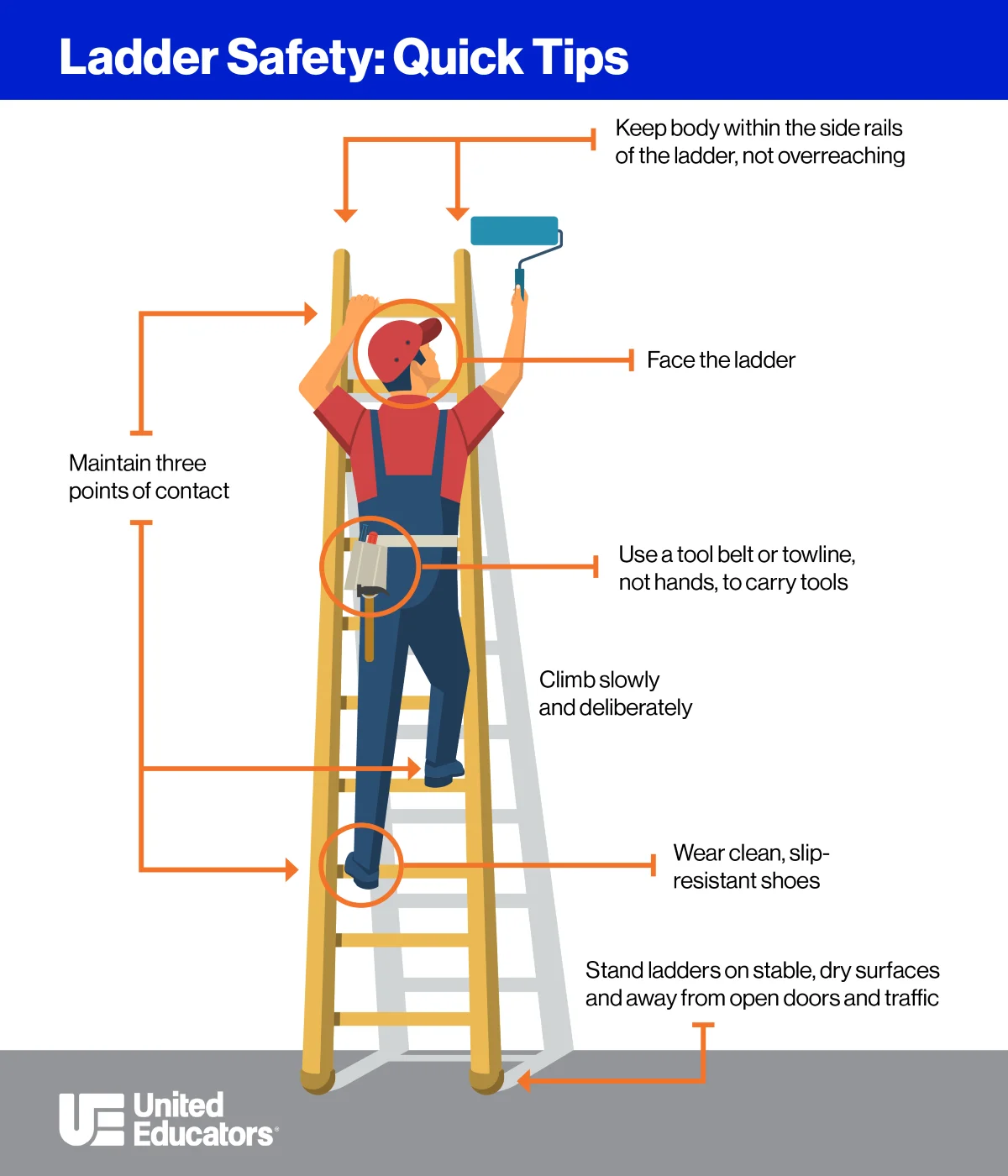
Ladder Safety 101: Best Practices for Every Jobsite


Follow Us