Roofing projects involve more than installing shingles, membranes, or other roofing materials. Removing old roofing materials, managing construction debris, and maintaining a safe work environment are equally important parts of the process. For roofing contractors, an efficient debris removal system can help reduce manual handling, improve workflow, and keep the job site organized.
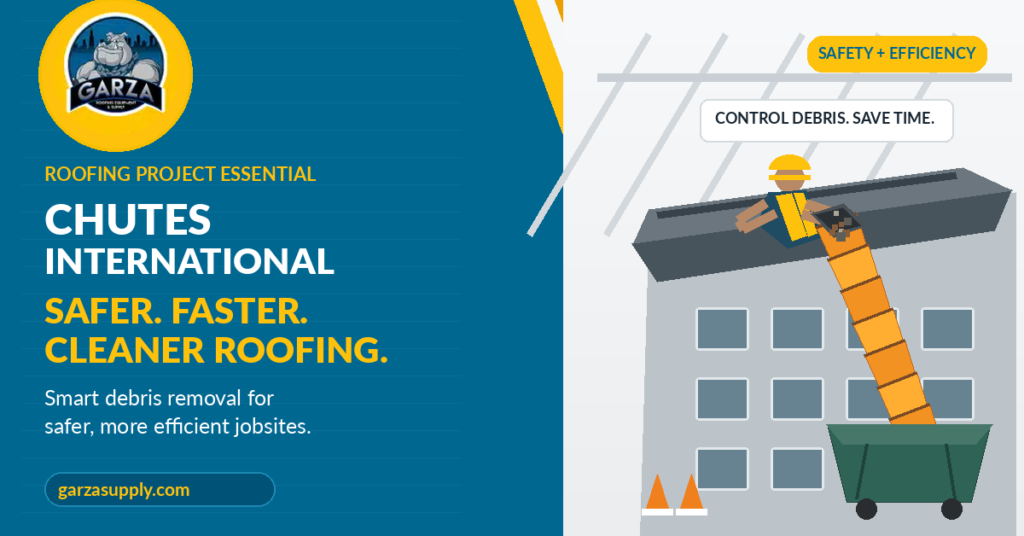
Chutes International offers debris chute solutions designed to help construction professionals transport waste from elevated work areas to designated collection points below. By incorporating an appropriate debris chute system into a roofing project, contractors can improve debris management and support more efficient cleanup operations.
In this article, we explore the benefits of debris chutes, their applications in roofing projects, and the factors contractors should consider when choosing a suitable system.
Chutes International specializes in chute systems used in construction and building maintenance applications. Construction debris chutes provide a controlled pathway for moving waste materials from upper floors or rooftop work areas to ground-level collection points.
During roofing projects, contractors may need to remove old shingles, damaged roofing materials, packaging, and other waste. Carrying these materials down ladders or through occupied buildings can be time-consuming and create additional handling risks.
A properly selected debris chute can help simplify this process by directing suitable materials toward a designated disposal area.
Safety is a major consideration during roofing and construction work. Dropping debris from a roof or carrying bulky materials down ladders can expose workers and people nearby to potential hazards.
Debris chutes help direct waste along a controlled route, reducing the need to throw materials from elevated surfaces. When correctly installed and used, they can help reduce exposure to falling debris.
Contractors should secure the chute according to the manufacturer’s instructions, establish an exclusion zone around the discharge area, and ensure workers understand the correct disposal procedures.
A debris chute is only one component of a comprehensive site safety plan and does not eliminate all risks associated with roofing work.
Time management is essential for roofing contractors working under demanding project schedules. Traditional debris removal methods can require workers to repeatedly transport waste manually, interrupting installation activities.
Using a suitable debris chute can streamline waste movement and allow workers to direct approved materials toward a designated collection point.
This can help reduce unnecessary handling and keep roofing crews focused on essential installation and repair tasks.
For larger projects, an organized debris removal system can also help coordinate waste collection and disposal throughout the workday.
Roofing debris can accumulate quickly during tear-off and replacement projects. Without an effective removal plan, waste may obstruct work areas, create tripping hazards, and increase the amount of cleanup required at the end of the project.
A debris chute helps direct waste to a designated ground-level area, making collection and disposal more organized.
Contractors can improve results by positioning collection containers appropriately, clearing debris regularly, and ensuring the discharge area remains accessible to authorized workers.
A cleaner job site supports more efficient operations and helps reduce unnecessary interruptions.
Roofing projects vary in size, building height, roof design, and the type of waste being removed. Residential reroofing may involve relatively small quantities of shingles, while commercial projects can generate substantial amounts of roofing debris.
Chutes International offers different chute solutions for construction applications. Contractors should review the available models and configurations to determine which system is appropriate for their project.
Important considerations include building height, chute dimensions, mounting requirements, debris characteristics, expected waste volume, and collection arrangements.
Selecting the right configuration helps ensure that the chute is suitable for the working environment.
Efficient debris handling can help contractors manage labor requirements and reduce delays caused by disorganized cleanup operations.
A suitable chute system may reduce the need for repeated manual transportation of waste and help crews maintain a more consistent workflow.
The overall financial benefit depends on project size, rental or purchase costs, installation requirements, labor rates, and disposal arrangements.
Contractors should evaluate these factors when deciding whether a debris chute system is a cost-effective choice for a particular roofing project.
Roofing projects can generate shingles, metal flashing, packaging, insulation, and other construction waste. Managing these materials responsibly is an important part of maintaining an organized work site.
Debris chutes help transport suitable waste to designated collection areas, where materials can be sorted for recycling or disposal.
Contractors should separate recyclable materials whenever practical and follow local waste management requirements. Hazardous or unsuitable materials should not be placed in a chute unless the system and applicable regulations specifically permit them.
Proper planning is essential for using a debris chute effectively.
Plan the Installation: Identify a suitable location that provides an efficient route from the roof to the collection area without obstructing access or creating unnecessary hazards.
Follow Manufacturer Instructions: Install and secure the chute according to the manufacturer’s requirements. Confirm that mounting arrangements and components are suitable for the building and expected operating conditions.
Train Your Team: Explain how to load the chute, which materials are permitted, and how to keep people clear of the discharge area.
Monitor Debris Flow: Avoid overloading the system and follow the manufacturer’s restrictions concerning material size, weight, and waste type.
Organize Collection and Disposal: Position appropriate containers below the discharge point and arrange regular waste removal to prevent accumulation.
Having access to suitable roofing and construction supplies can make project planning easier for professional contractors.
Garza Roofing & Supply provides products for roofing and construction applications. If you are considering a debris chute for an upcoming roofing project, contact Garza Supply to ask about product availability, specifications, and purchasing options.
Before ordering, confirm that the selected Chutes International product meets your building height, installation, and debris management requirements.
Chutes International debris chute systems can help roofing contractors organize waste removal, reduce manual material handling, and improve cleanup efficiency. When selected and installed correctly, these systems can contribute to a safer and more productive construction environment.
The best results come from choosing an appropriate chute configuration, following manufacturer instructions, training workers, and maintaining a clear debris collection area.
Planning your next roofing project? Contact Garza Roofing & Supply to explore available roofing and construction supplies for your job site.


Follow Us