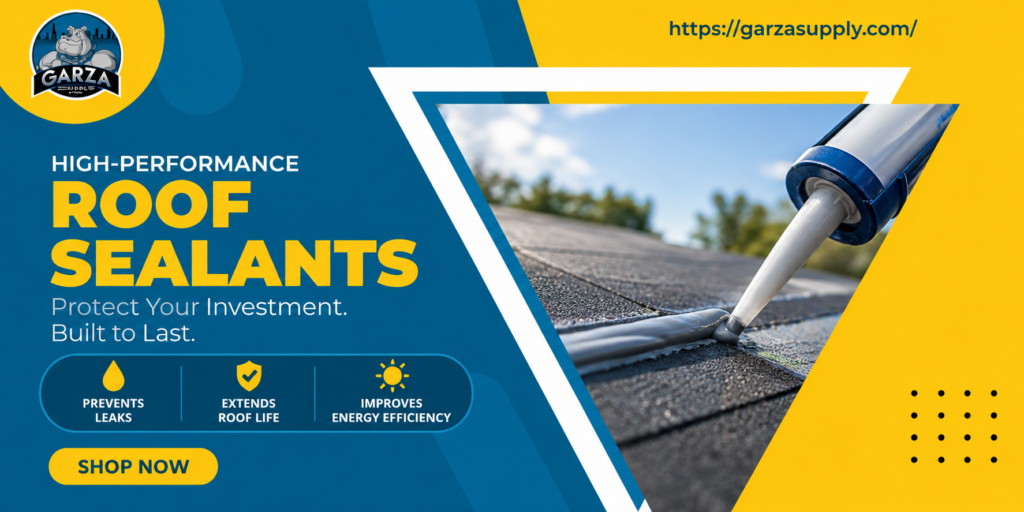
A roof is one of the most important components of any building, protecting the structure from rain, sunlight, wind, and changing temperatures. Over time, exposure to harsh weather can cause cracks, deterioration, and leaks that compromise roofing performance. Using high-performing roof sealants as part of an appropriate maintenance strategy can help protect vulnerable areas, reduce moisture intrusion, and extend the service life of compatible roofing systems.
Whether you are maintaining a residential property or managing a commercial building, choosing the right roofing sealant is an important step toward protecting your investment. In this guide, we explore the benefits of roof sealants, the different types available, and practical tips for achieving reliable results.
Water intrusion is a common roofing problem that can damage insulation, ceilings, walls, and other building components. Roof sealants are designed to seal compatible joints, seams, cracks, and penetrations where moisture may enter.
When correctly selected and applied, a sealant can help create a protective barrier against water intrusion. However, sealants are not a substitute for repairing significant structural damage or replacing severely deteriorated roofing materials.
Certain roof coatings and sealant systems are designed to reflect sunlight and reduce heat absorption. These products may help lower roof surface temperatures and reduce cooling demands under suitable conditions.
Reflective performance depends on the product formulation, roof construction, climate, and existing insulation. Before purchasing, check whether the product is specifically rated for reflective roof applications, as not every sealant provides these benefits.
Persistent moisture can contribute to corrosion, deterioration of building materials, and conditions that encourage mold growth. By sealing appropriate gaps and joints, compatible roofing sealants can help reduce opportunities for water to enter the building envelope.
Regular roof inspections are equally important because hidden leaks, blocked drainage systems, and damaged flashing may require additional repairs beyond sealant application.
Preventive maintenance can help identify small roofing problems before they develop into more expensive repairs. Applying the appropriate sealant to localized problem areas may be more economical than undertaking extensive repairs or premature roof replacement.
The best approach depends on the roof’s age, condition, material, and the extent of the damage. A professional assessment can help determine whether sealing, repair, coating, or replacement is the most suitable option.
Different sealants offer different performance characteristics. Selecting the right formulation is essential for compatibility and long-term durability.
Acrylic products are commonly used in certain roof coating and sealing applications. Many water-based formulations are relatively easy to apply and offer good resistance to sunlight.
They may be suitable for compatible roofing surfaces and maintenance projects where reflective performance is desired. However, acrylic products vary in their ability to withstand ponding water, so always check the manufacturer’s specifications before use.
Silicone sealants and coatings are known for their flexibility and resistance to weathering. Certain silicone roof coating systems perform well in areas exposed to standing water, provided the product is specifically designed and approved for that application.
They are commonly considered for compatible roof surfaces, seams, and penetrations. Surface preparation and compatibility with existing coatings are important factors in achieving proper adhesion.
Polyurethane sealants are valued for their flexibility, adhesion, and resistance to mechanical wear. Depending on the formulation, they can be useful for sealing joints, flashing details, and other areas subject to movement.
Different polyurethane products have different levels of UV resistance. Confirm that the selected product is appropriate for exposed rooftop applications and the materials being sealed.
Asphalt-based sealants are frequently used for certain asphalt roofing systems and repair applications. They can help seal compatible joints, flashing details, and localized damaged areas.
Because asphalt products vary in composition and application requirements, verify compatibility with the existing roofing material before use.
Proper preparation and application are essential for achieving reliable results.
Clean the Surface: Remove dirt, loose material, and contaminants according to the manufacturer’s instructions. The surface must meet the product’s requirements for cleanliness and moisture.
Follow Manufacturer Instructions: Review the recommended application thickness, coverage rate, curing time, and compatible materials before starting.
Check Weather Conditions: Temperature, humidity, rain, and surface moisture can affect adhesion and curing. Apply the product only under the conditions specified by the manufacturer.
Inspect Vulnerable Areas: Pay particular attention to seams, flashing, roof penetrations, joints, and areas where previous leaks have occurred.
Schedule Regular Inspections: Inspect the roof periodically and after severe weather, looking for cracks, peeling, damaged flashing, blocked drains, and other signs of deterioration.
For extensive damage, recurring leaks, or work involving steep or elevated roofs, consult a qualified roofing professional.
High-performing roof sealants can play an important role in protecting compatible roofing systems against moisture intrusion and weather-related deterioration. By selecting the right product, preparing surfaces correctly, and following recommended application procedures, property owners and roofing contractors can support effective maintenance and potentially extend the service life of a roof.
The key is choosing a sealant that matches the roofing material, environmental conditions, and specific repair requirements.
Looking for quality roof sealants and roofing supplies? Contact Garza Supply to explore suitable products for your next roofing maintenance or repair project.


Follow Us